
The allure of risk and reward
At the heart of the gambling experience lies the psychological thrill of risk and reward. When individuals enter a casino, they are often captivated by the tantalizing potential of striking it rich. This sense of possibility stimulates the brain’s reward system, releasing dopamine, which creates feelings of pleasure and excitement. The unpredictability of winning—where victories emerge unexpectedly—heightens this allure, placing gamblers in a cycle where the desire for that next win drives them to keep playing, often in the face of losses. For those seeking an exciting gaming environment, 1win offers numerous options that can enhance their experience while navigating this cycle, which can be particularly potent, as the intermittent reinforcement provided by the occasional win can make the experience addictive.
This phenomenon can be explained through the concept of loss aversion, which posits that people prefer to avoid losses rather than acquire equivalent gains. In a casino, the thrill of betting intertwines with the fear of losing money, creating a potent emotional mix. This emotional rollercoaster can be addictive, as players find themselves chasing losses in hopes of reclaiming their lost bets. The more players gamble, the more they may rationalize their decisions, believing that a big win is just around the corner. Consequently, the lure of potential rewards often overshadows the inherent risks, compelling many to return repeatedly, often despite knowing the odds are against them.
Furthermore, the environment of a casino enhances this seductive allure. The bright lights, sounds of spinning reels, and the energetic atmosphere create an immersive experience that envelops visitors. This sensory stimulation can lead to a form of escapism, where individuals temporarily forget their daily lives and immerse themselves in the excitement of gambling. The powerful combination of risk, reward, and sensory engagement makes casinos irresistible for many, often drawing them back for more experiences. The design elements, including the sound of coins clinking and the celebratory cheers from nearby players, amplify the excitement, making it a captivating experience that appeals to our primal instincts for excitement and adventure.
The role of social interaction
Gambling is not merely an individual activity; it often encompasses social elements that significantly enhance the overall experience. Casinos are vibrant environments where individuals can connect with fellow players, share experiences, and celebrate wins together. This social aspect creates a sense of community, drawing people together over a shared activity that is both thrilling and entertaining. The camaraderie developed within these spaces can enrich the experience, contributing to the overall appeal of casinos, as friends and strangers alike bond over shared hopes and experiences.
This social interaction plays a vital role in reinforcing gambling behavior. Group activities—such as table games like poker or blackjack—encourage conversation and collaboration among players. Tactics such as bluffing in poker rely on reading others’ emotions and intentions, adding an exciting layer of social strategy. The laughter, cheers, and shared emotions of both success and failure foster bonds between players, transforming the act of gambling into a communal experience rather than a solitary one. This sense of belonging can be particularly appealing to those who may feel isolated in their daily lives.

Moreover, social interaction in casinos can lead to peer influence, where individuals may increase their betting behaviors when surrounded by enthusiastic companions. This environment encourages individuals to take risks they might otherwise avoid. The thrill of witnessing others win can serve as motivation to keep betting, blurring the lines between enjoyment and excessive risk-taking. As such, the social dynamics in casinos significantly contribute to the psychology of gambling, fostering both healthy competition and potentially problematic behaviors. The social fabric of gambling often makes it difficult for individuals to recognize when their behavior has shifted from fun to potentially harmful, creating a complex web of motivations that can be hard to untangle.
The impact of marketing and design
The psychology of gambling is heavily influenced by casino marketing and design strategies aimed at maximizing the allure of gambling. Casinos employ various tactics—such as offering complimentary drinks or meals, creating visually captivating atmospheres, and implementing loyalty programs—to entice players to spend more time and money within their establishments. These strategies are grounded in an understanding of gambling psychology, emphasizing the creation of a welcoming and rewarding environment that keeps players engaged. The goal is to create a sense of value and reward that keeps individuals coming back for more.
The layout of casinos is meticulously planned to encourage exploration and prolonged stays. By eliminating clocks and windows, casinos create a timeless atmosphere that makes it challenging for visitors to maintain a sense of how long they have been playing. This deliberate design choice allows players to become engrossed in the experience, often leading them to gamble for extended periods without realizing the time spent. It directly taps into the thrill-seeking aspect of gambling, making it easier for individuals to lose track of their spending. The combination of strategic placement of games and amenities creates a flow that leads players deeper into the gaming floor.
Additionally, casinos utilize striking colors, captivating sounds, and engaging visuals to create a stimulating environment. These design elements are engineered to evoke excitement and maintain attention. The constant barrage of stimuli encourages players to remain in the gaming area, further entrenching them into the gambling experience. The use of bright colors and alluring designs is not merely aesthetic; it serves a psychological purpose that enhances the overall allure of the gambling experience. This calculated approach to marketing and design highlights how external factors can profoundly impact our psychological engagement with gambling, leading to increased participation and, at times, compulsive behaviors that can be difficult to manage.
Understanding addiction and behavior patterns
The intersection of psychology and gambling also raises critical considerations around addiction. Gambling addiction can develop as individuals increasingly rely on the thrill of betting and the desire to win. The initial excitement derived from gambling can morph into a compulsion, where players prioritize gambling over other life responsibilities and relationships. Understanding the behavioral patterns associated with gambling addiction is crucial in addressing this growing concern in society. The progression of gambling behavior often mirrors the stages of addiction seen in substance abuse, with individuals experiencing escalating urges and compulsive behaviors.
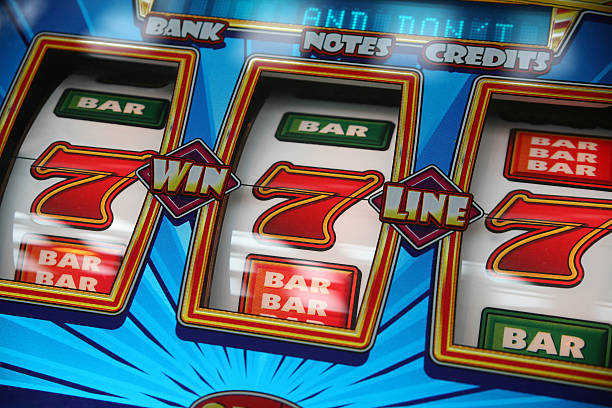
Many problem gamblers exhibit behavior patterns similar to those seen in other forms of addiction, such as substance abuse. They may experience cravings, withdrawal symptoms when not gambling, and continued participation despite negative consequences. The brain’s reward pathways—intensified by the thrill of the game and the dopamine release from wins—can lead to a cycle of chasing losses, further entrenching players in their compulsive betting habits. Recognizing these patterns is essential for those affected, as well as for families and communities that support them. Awareness of these behaviors can pave the way for open discussions about gambling and its potential risks.
Addressing gambling addiction requires a multi-faceted approach, including awareness campaigns, support systems, and professional intervention. As our understanding of the psychological underpinnings of gambling deepens, more effective treatment options can be developed to assist those struggling. Additionally, casinos increasingly recognize their role in promoting responsible gambling practices, implementing self-exclusion programs and educational initiatives to mitigate the risk of addiction among their patrons. This growing awareness underscores the importance of psychology in both understanding and addressing gambling-related issues, fostering a more informed public and healthier gambling environments.
Exploring further insights on gambling psychology
For those interested in delving deeper into the intricate relationship between psychology and gambling, a wealth of resources is available. Various platforms, research articles, and psychological studies explore the many facets of gambling behavior, from economic theories to sociocultural influences. These resources can provide insight into how gambling can be both a source of entertainment and a potential risk factor for addiction. Engaging with these materials not only enhances understanding of personal gambling behaviors but also promotes awareness of the broader societal implications of gambling.
Educational initiatives can empower individuals to make informed decisions about their gambling activities, encouraging responsible habits and awareness of the inherent risks involved. Online platforms and community support groups serve as valuable tools for sharing experiences and strategies for managing gambling habits effectively. These communities can offer support and insights that help individuals navigate their gambling experiences, whether for fun or with more serious implications. The sharing of knowledge and personal stories can foster a greater understanding of the diverse experiences associated with gambling.
Ultimately, recognizing the psychology of gambling and its implications can lead to healthier interactions with the activity. Understanding the motivations behind gambling—whether they are social, psychological, or environmental—equips individuals with the knowledge necessary to navigate the complex world of casinos. In this way, the exploration of gambling psychology is not merely academic; it has practical applications that can enhance the enjoyment of gaming while minimizing potential harm. A more informed public can lead to healthier gambling practices, ensuring that the thrill of the game remains enjoyable and safe for everyone involved.